
So much to explore, you’ll need a Siesta!

This may come as a surprise, but the redhead and I have a recurring habit of spontaneously falling asleep on park benches.
Washington Square in Manhattan was one memorable occasion, after we spent all afternoon sitting at the counter of Fanelli's bar drinking cocktails. We also missed our dinner reservation at Balthasar's (sorry Open Table .... are we still black listed?!).
Another time was by the side of Regent's Canal in Islington on a hot summer's afternoon following a boozy Barrafina lunch at Kings Cross. We sat down for a brief rest and woke up 90 minutes later looking like Wayne & Waynetta on an awayday!
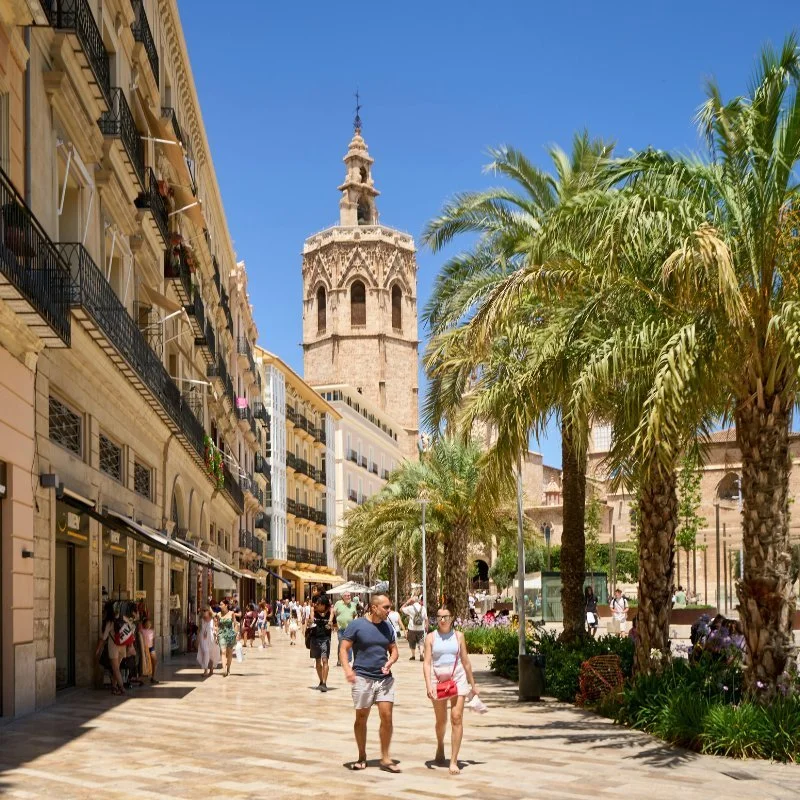
But the first time I recall this happening was in Valencia. We had arrived in the city late-morning & promptly headed out for lunch. The details are hazy, but I think that the couple of bottles of wine we enjoyed with our paella were a contributory factor. Our (three hour) snooze on this occasion was taken on a bench in the Jardin del Turia - the dry river-bed-turned-park that runs through the centre of the city. If you're looking for a suitable place for a power-nap, it gets my vote every time.
Despite this enthusiastic endorsement, Valencia is a place we have always seemed to pass through rather than being a destination in its own right. It's Spain’s third-largest city, yet it often gets overlooked. Which, in many ways, is part of its appeal. We first visited expecting somewhere pleasant enough to spend a long weekend. What we found instead was a city that effortlessly combines grand architecture, an exceptional food culture and a pace of life that makes you wonder why you haven’t been visiting here for years.
Our road trip down to Andalusia in May this year involved an overnight stop in central Valencia. It was a few years since we had last visited, so our points of reference from previous trips were a little sketchy. We had enjoyed both previous visits and, as is so often the case, we vowed to return for a longer break. It never happened!
As such, in May we felt a little like newcomers to the city again.
We chose a restaurant at random just round the corner from our hotel. Sitting on a shaded streetside table on a warm evening, with the sound of some live music drifting towards us from a couple of streets away, and a chilled bottle of white wine, we wondered why we had left it so long and why we only booked one night. It was a bit of a mystery.
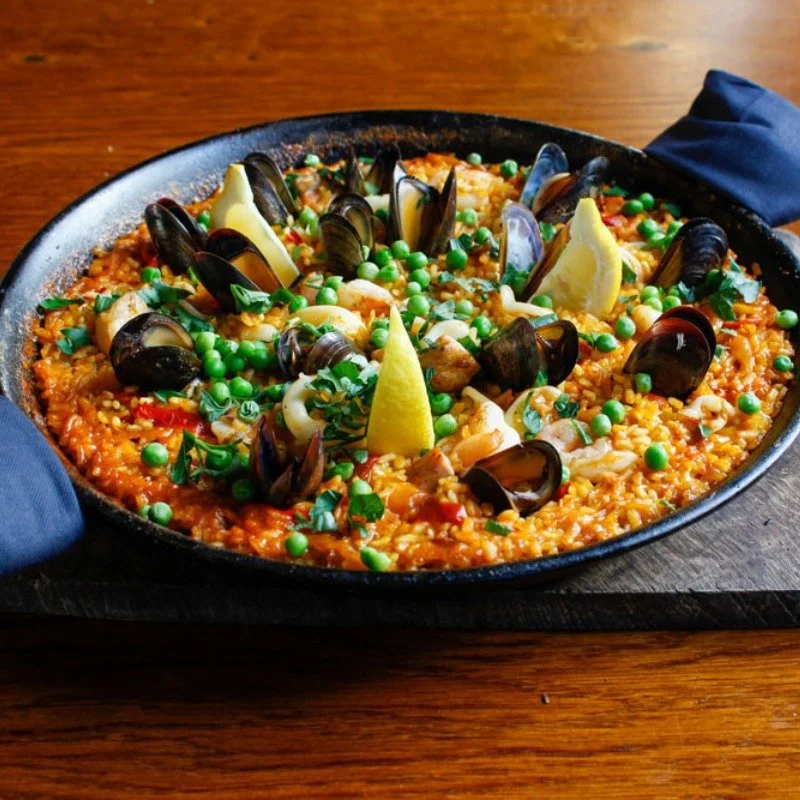
What wasn’t a mystery however was the food, which inevitably, is where Valencia really starts to make sense.
This is, after all, the birthplace of paella. That fact alone is enough to make it a pilgrimage for anyone with more than a passing interest in Spanish cooking. But don't expect the versions that have become commonplace back home. Authentic Valencian paella is traditionally made with rabbit, chicken, green beans and butter beans, with saffron lending its unmistakable colour. Seafood paella exists, of course, but it's very much a confected variation rather than the original article.
One thing you quickly discover is that locals take paella remarkably seriously. It's a lunchtime dish, not an evening meal, and many restaurants only prepare a limited number each day. Arrive at three o'clock expecting to order one and there's every chance you'll be disappointed. Fortunately, planning ahead in Valencia is generally rewarded.
The city's magnificent Central Market is another essential stop. Even if you have no intention of buying anything, wandering beneath its soaring ironwork and stained-glass roof is a feast in itself. Stall after stall overflows with pristine seafood, hanging jamón, colourful fruit and vegetables, mountains of olives and enough cheese to keep you happily distracted for an hour or two. It's the sort of market that reminds you just how seriously Spain takes good ingredients.
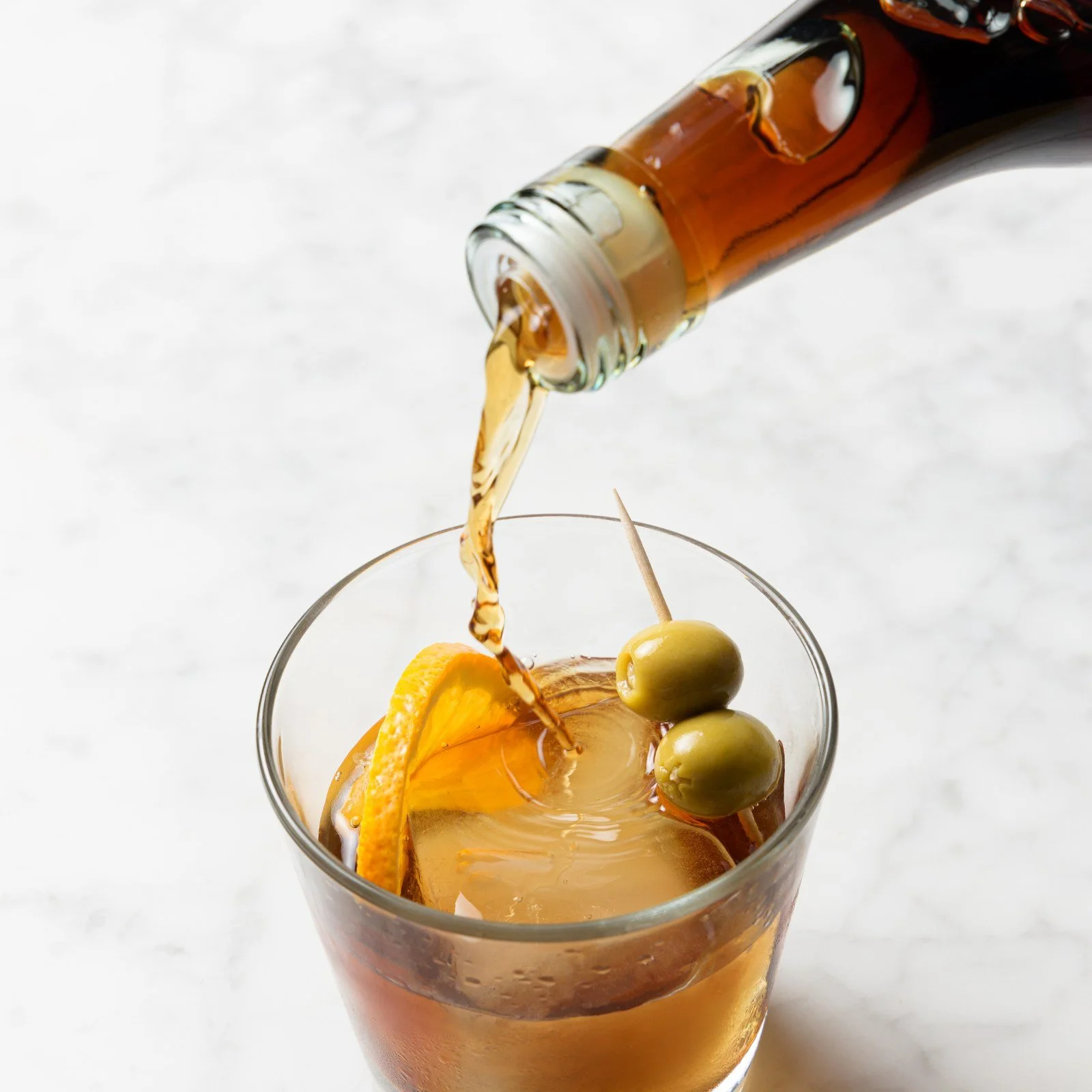
Naturally there are tapas bars everywhere, but Valencia also has a thriving modern dining scene where ambitious young chefs are putting their own spin on traditional ingredients. As is often the case in Spain, we've found that some of our best meals have been entirely unplanned. A busy neighbourhood bar with handwritten specials, a handful of locals drinking vermouth, and a menu that hasn't been translated into English often proves a far better indicator than any online review. Our brief overnight stop in May included a meal at "A Huevo" (Carrer de Salamanca) which was a perfect example of this type of establishment.
Beyond the food, Valencia constantly surprises with its architecture.
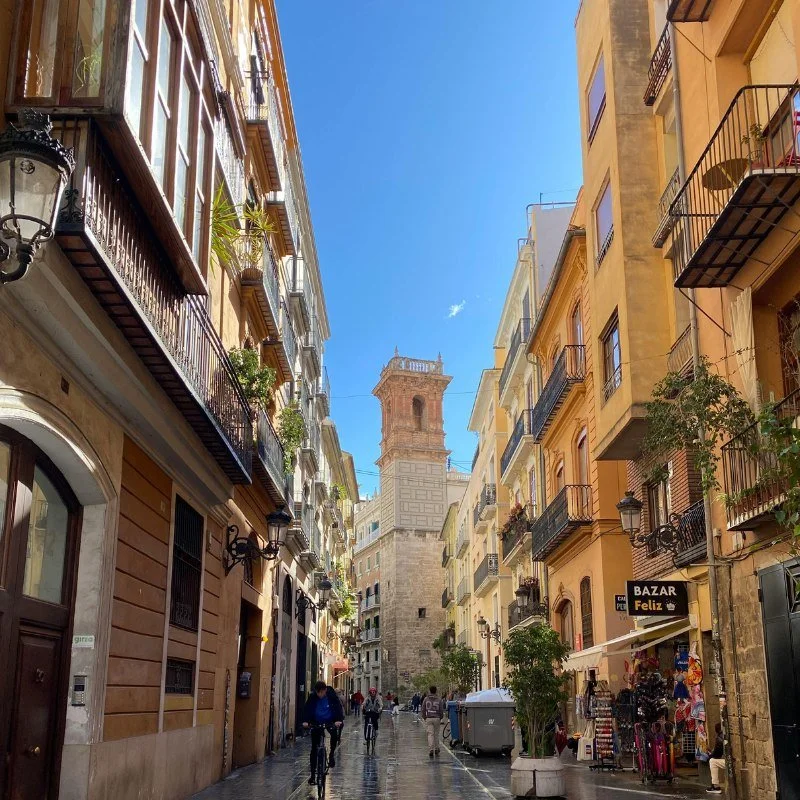
Miguelete bell tower
The historic centre is wonderfully walkable, with elegant squares opening unexpectedly between narrow medieval streets. The Cathedral dominates the skyline, while nearby you'll find the Miguelete bell tower offering panoramic views across the city for those prepared to tackle the steps.
One of Valencia's cleverest transformations is the Jardin de Turia. After devastating floods in the 1950s, the River Turia was diverted away from the city. Rather than filling the old riverbed with roads, Valencia converted it into an enormous linear park stretching for several miles through the heart of the city. Today it's filled with cyclists, joggers, football pitches, orange trees and families enjoying the sunshine. It links many of the city's main attractions and provides a wonderfully peaceful escape despite being right in the middle of an urban landscape.
For British visitors, Valencia also offers something increasingly difficult to find elsewhere on the Mediterranean coast. It feels like a real working city rather than somewhere existing primarily for tourism. Office workers spill into cafés at lunchtime. Families gather in squares long into the evening. Markets bustle with people doing their weekly shopping rather than browsing for souvenirs.
Even the beaches reflect this balance. Las Arenas and Malvarrosa stretch north from the marina with wide expanses of golden sand, yet they remain closely connected to everyday Valencian life. Beachfront restaurants serve excellent seafood, locals stroll the promenade well after sunset and the atmosphere rarely feels manufactured.
Perhaps that's what keeps drawing people back.
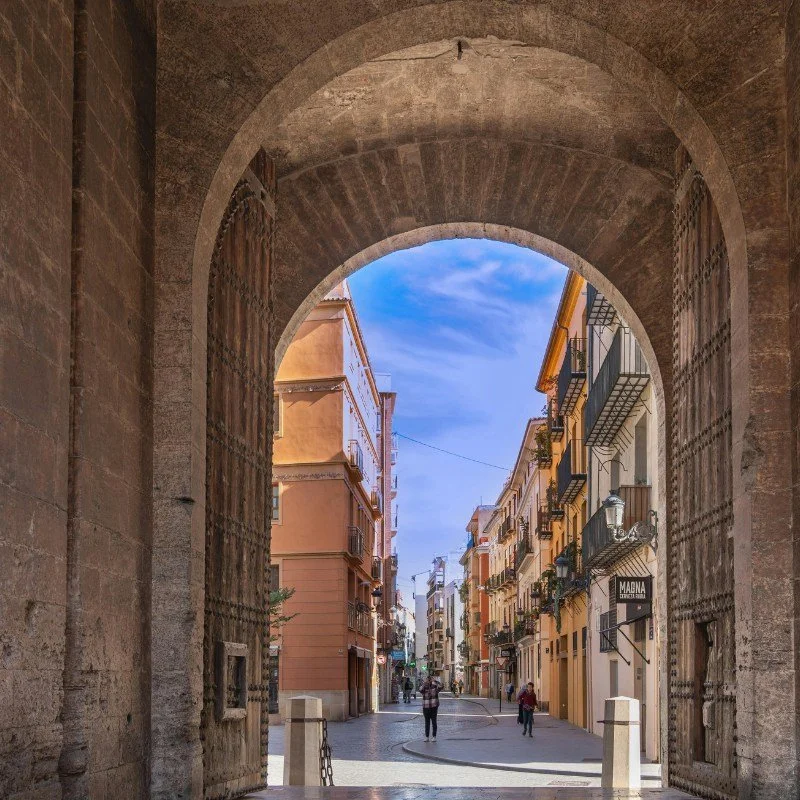
Fantastic historical views in Valencia
Valencia manages to combine world-class architecture, fascinating history, outstanding food and an authentic sense of place without ever feeling like it's trying too hard. It's sophisticated without being pretentious, lively without being overwhelming, and relaxed without ever becoming sleepy.
Like many of our favourite Spanish destinations, it's a city that rewards curiosity. Wander a little beyond the obvious attractions, order something unfamiliar from the menu, linger over one more glass of wine than you originally intended, and Valencia slowly reveals why so many visitors leave already planning their return.
Just make sure you keep a look out for a comfortable park bench!
Tim
Ambiente’s Map of Spain
If you’ve been inspired to head to Valencia or anywhere else in Spain we’ve featured so far, we’ve created an “Ambiente Map of Spain” featuring some of our favourite places to eat, drink and explore. And we'll be adding to it monthly as we discover more of Spain together.
Discover Valencia in our Restaurants
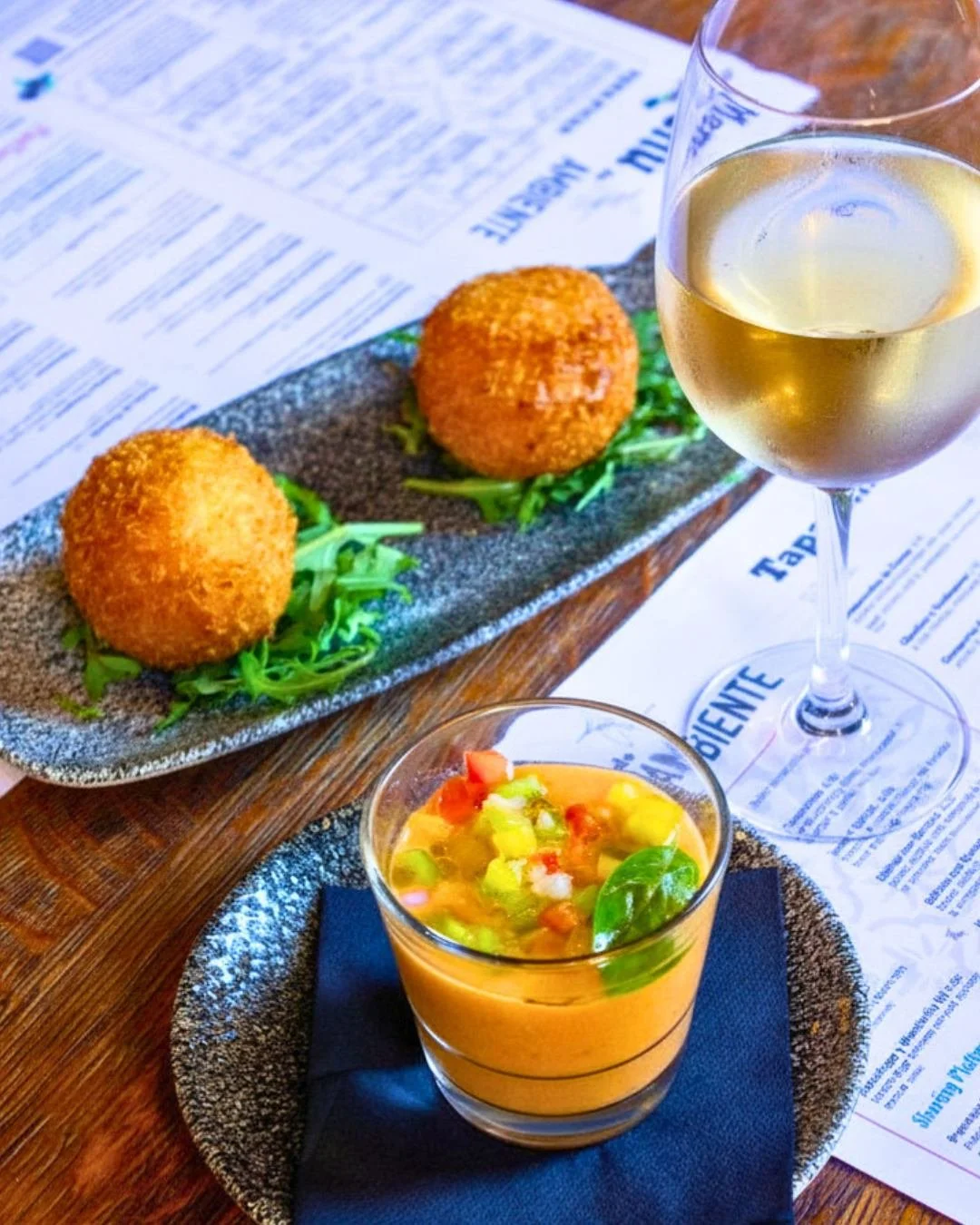
Our Valencian Specials
If a visit to Valencia isn’t on the cards this month, then we’ll bring Valencia to you! This month our team have created two tomato specials that will take you straight to the heart of this wonderful city; Gazpacho (v) & our Croquetas de Queso y Tomate (v).
An ideal pairing with our Valencian Wine of the Month Arraez Cannallas Blanco, a crisp and easy drinking white wine that pairs beautifully with tomatoes.
Book your table to experience Valencia today!
Come and give them a try while they're on the menu. Available throughout August.

Discover Spain
Keep exploring Spain with us...
From recipes and regional drinks to local history, travel tips and hidden gems, our Discover Spain series celebrates the places that inspire our menus.
Browse all of our Discover Spain features here.