
Cava & Its Traditions
Cava has long been Spain’s sparkling answer to celebration, being effervescent, elegant, and just a little bit rebellious. While it often finds itself compared to Champagne, Cava has a personality all its own, rooted in sun-drenched vineyards, centuries-old traditions and a culture that knows how to linger over good food and good company.
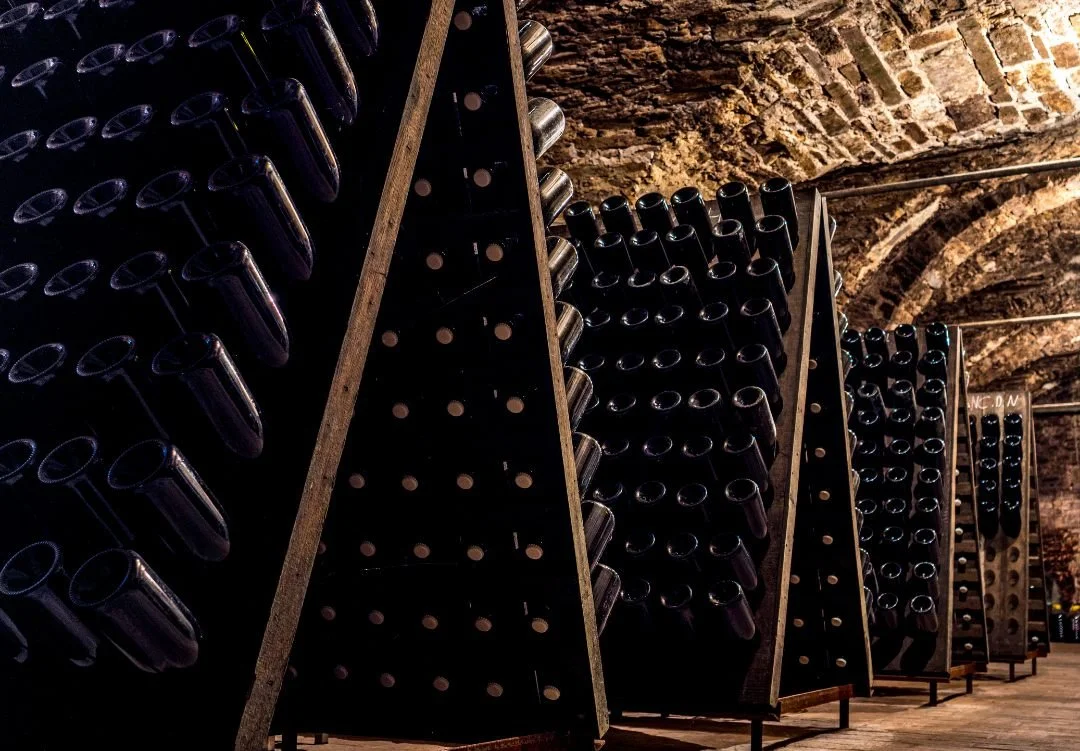
At its core, Cava is a sparkling wine made primarily in the Catalonia region of northeastern Spain, with the town of Sant Sadurní d’Anoia often considered its beating heart. Situated within 40 minutes driving distance from Barcelona (50 minutes by train or 2.5 hours by bike) an away day to visit one of the Cava houses such as Vilarnau is a very tempting addition to any trip.
Like Champagne, it’s produced using the traditional method, meaning the second fermentation (the magic of the CO2 being trapped as bubbles) happens inside the bottle. The result is a crisp, refreshing wine with fine bubbles and notes that can range from citrus and green apple to toasted almond and brioche, depending on how long it’s aged. And of course, as with champagne, adding different dosage at disgorgement can also produce a whole range of sweetness from the bone dry Brut Nature to Semi Seco (Demi Sec).
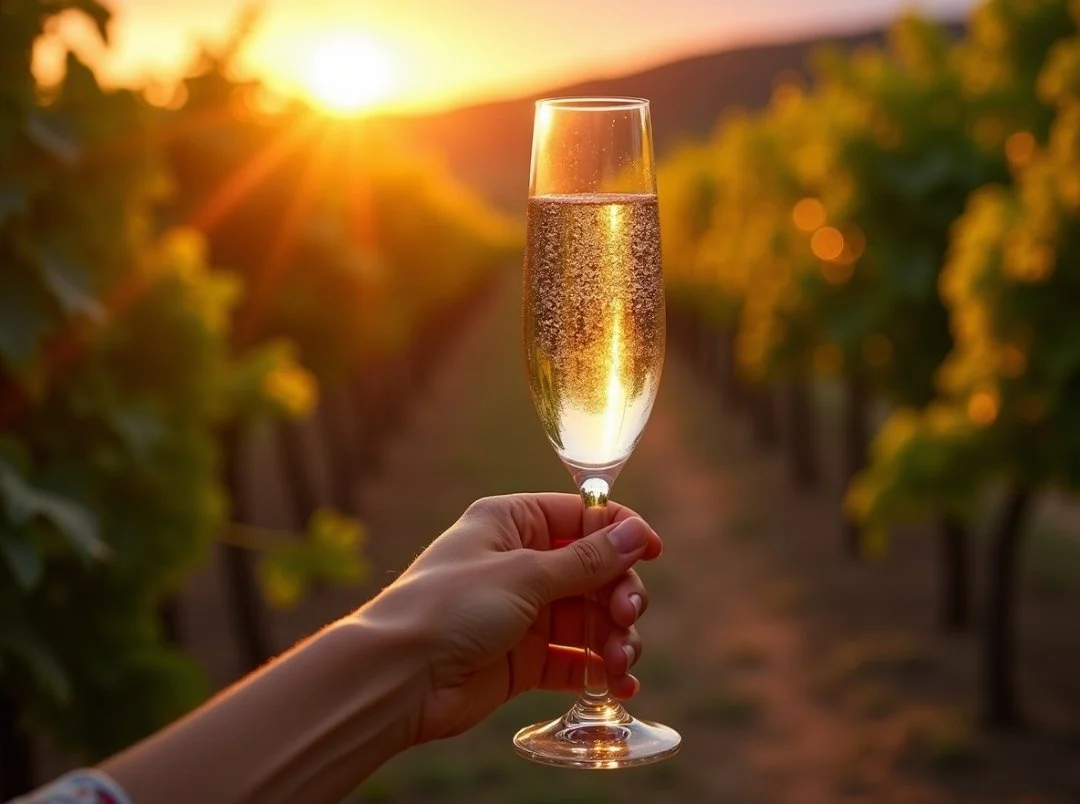
But what truly sets Cava apart is its blend of native grape varieties. The classic trio includes Macabeo, Xarel·lo, and Parellada, grapes that have been cultivated in the region for centuries, with some tracing their lineage back to Roman times. These grapes bring balance and character. Macabeo offers softness and floral notes, Xarel·lo adds structure and earthy depth, and Parellada contributes freshness and delicate aromatics. Together, they create a wine that feels both timeless and distinctly Spanish.
Another fun fact that sets Cava apart from Champagne is that Rose Cava can never be made by blending red & white wine which is how Rose Champagne is usually made. Instead it is made by leaving the juice in very brief contact with the skins of the red grape varieties that it is made from. Unlike Champagne this could be Garnacha, Trapat, Monastrell or the Champagne grape Pinot Noir.
Traditionally, Cava is served well chilled, often poured into tall, narrow flutes to preserve its bubbles, although many modern sommeliers prefer white wine glasses to better appreciate its aromas.
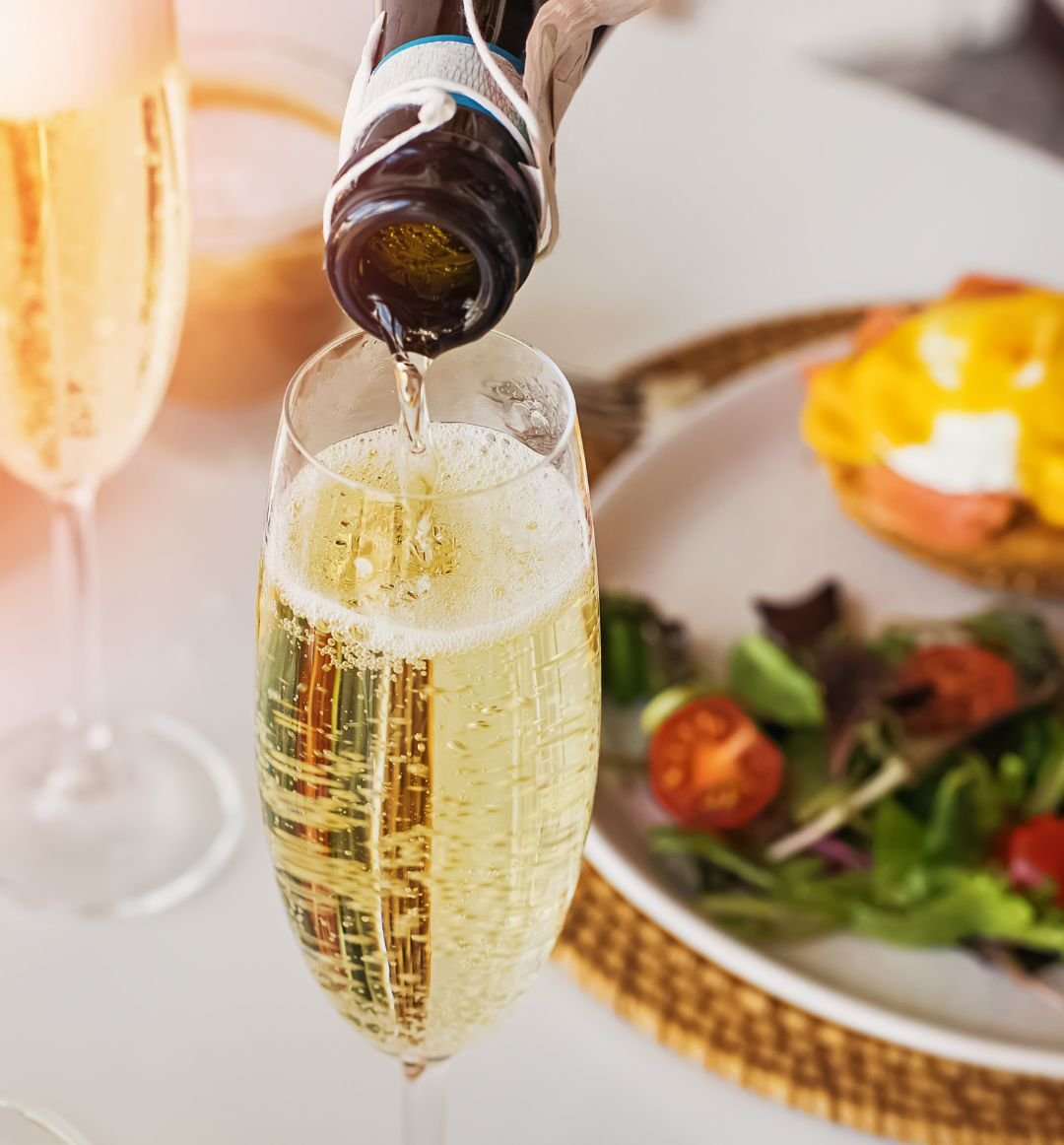
And what better companion to Cava than tapas? The pairing feels almost inevitable. Tapas, ranging from salty olives and jamón to crispy croquettes and garlicky prawn and rich meat stews, thrives on contrast and variety. Cava, with its bright acidity and cleansing bubbles, cuts through rich, oily, and salty flavours with ease. Each sip refreshes the palate, making room for the next bite, the next dish, the next conversation.
There’s also a cultural harmony at play. Both Cava and tapas are rooted in sharing. They’re not about formality or fuss, but about connection, friends gathered around a table, plates passing from hand to hand, the bubbling of laughter & bubbles in the glass.
In recent years, cava has stepped confidently onto the global stage, shedding its reputation as merely a budget alternative to Champagne. With premium bottlings, longer aging classifications, and a renewed focus on terroir & sustainability, producers are showcasing just how complex and compelling this sparkling wine can be.
There will always be a special place in my heart and at my table for Cava as well as Champagne.
Zoe Sinclair
Fancy trying it for yourself? Book your table today and immerse yourself in Catalonia’s culture with a glass or two.