
Barcelona; a City Shaped by Food, Trade & Tradition
Barcelona, the vibrant capital of Catalonia, is one of Europe's great modern food cities but its culinary story started a very long time ago. The city's 2,000 year history is written all over the menu today. And its this rich history that has profoundly shaped its identity, culture and especially its cuisine.
The city began life as an Iberian village known as Barkeno, before the Romans arrived and founded Barcino in the 1st century BC under Augustus. This name was supposedly linked to Hannibal of the Elephant fame’s father (though most people think that’s unlikely now!). It was a small colony for retired legionaries, but the Romans left a big gastronomic footprint.
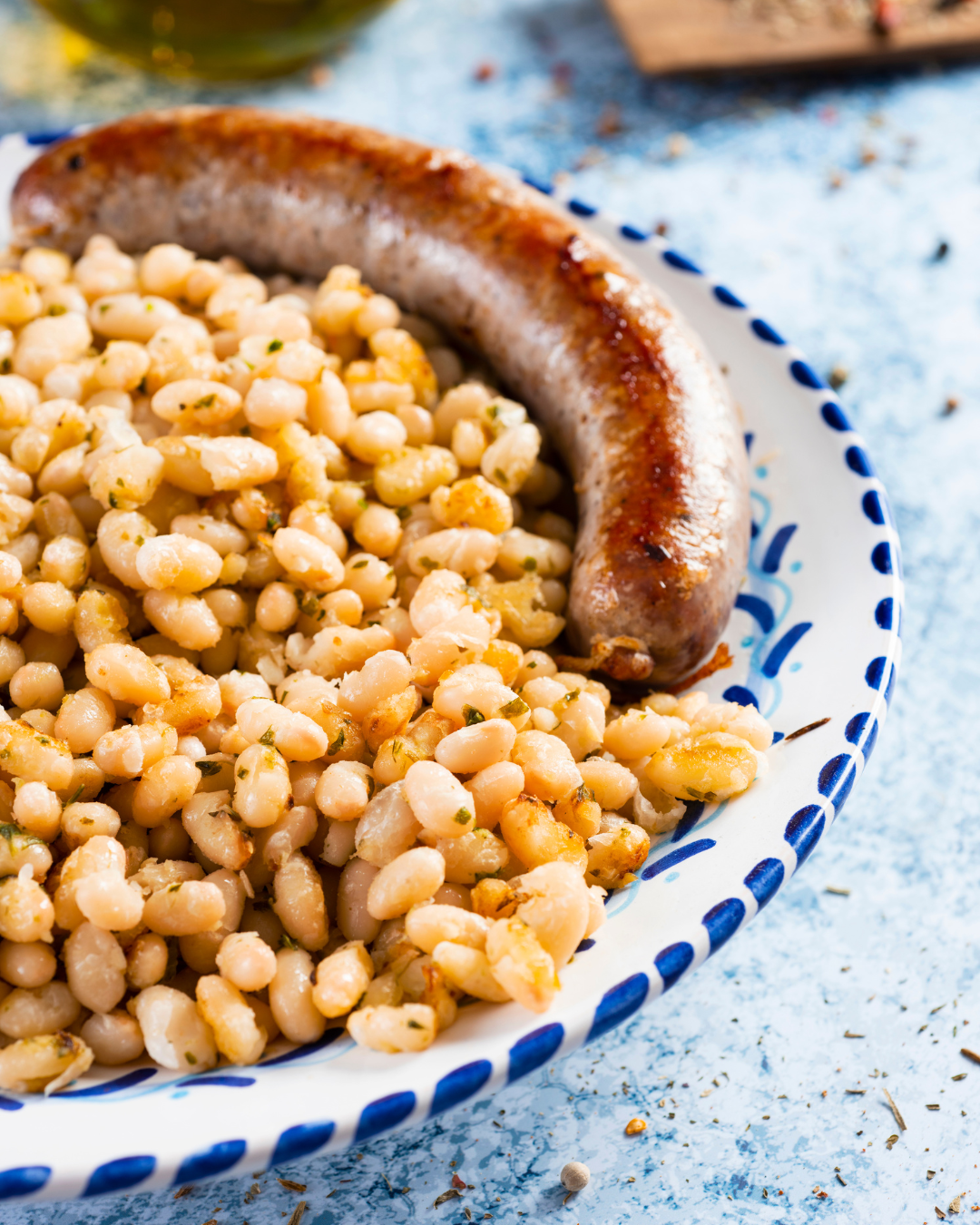
They organised agriculture across the region, introducing large-scale production of wheat, olive oil and grapes. These are still the backbone of Catalan and Mediterranean cooking (and drinking!) today, from delicious bread topped with tomato and oil to the local wines that sit so naturally alongside tapas (think of our olive oil and homemade focaccia and our new xarel-lo still wine). Even dishes like botifarra amb mongetes (sausage and beans) feel like they carry echoes of Roman hearth cooking.
After the Romans came the Visigoths. Historians tend not to get too excited about Germanic gastronomy, but these were clearly people after my own heart because they loved pork and beer, which still defines much of Spanish cuisine today. It’s no coincidence that cured pork became king, from rustic sausages through to the jewel of Iberia, Jamón Ibérico de Bellota.
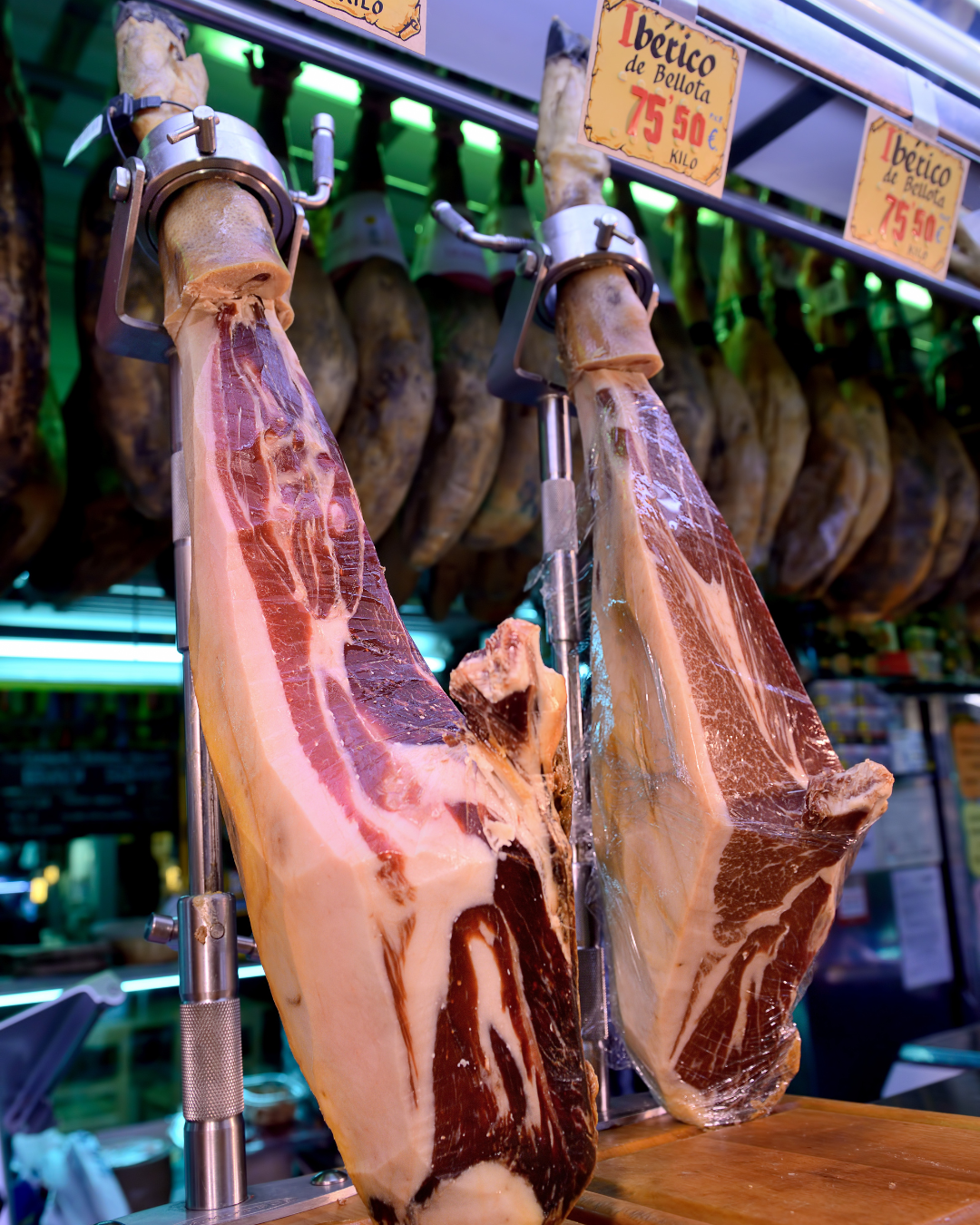
Jamon Ibérico de Bellota
Beer culture also has roots here. In 1876 August Damm founded his brewery in Barcelona creating a recipe that remains basically unchanged from the lager you can drink when you visit us today.
In the 8th century, Muslim rule introduced a completely new layer of flavour. Advanced irrigation transformed farming, while ingredients like rice, almonds citrus and spices reshaped local cooking. This is where we start to see the foundations of dishes that balance sweet and savoury and the early DNA of what would eventually become paella... arguably Spain’s most famous export!
Medieval Barcelona flourished economically and culinarily during the medieval period as part of the Crown of Aragon. As a major Mediterranean trading power, it sat at the crossroads of Italy, France, North Africa and the wider East. Spices, dried fruits and new techniques flowed through the port and Catalonia developed a refined and surprisingly sophisticated food culture.
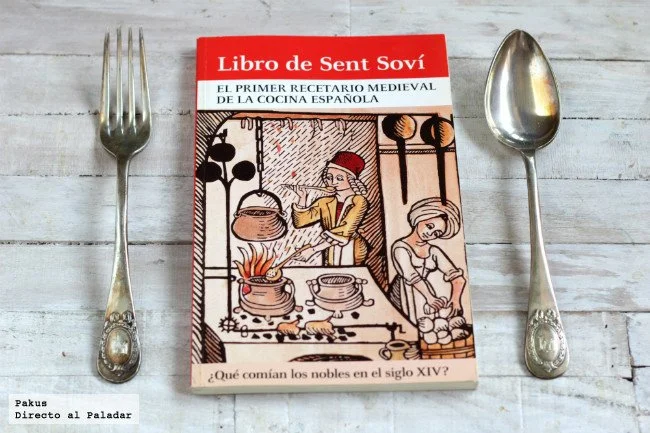
Libro de Sent Sovi - image credit directo al paladar
One of the earliest cookbooks in Europe, Llibre de Sent Soví, was written here in the 14th century, recording recipes that already played with sweet and savoury combinations, aromatic herbs, sauces and technique. It also captured a philosophy at the heart of Catalan cuisine to this day: mar i muntanya, “sea and mountain”, where seafood meets meat in the same dish, reflecting a landscape where coast and countryside sit side by side.
The Columbian Exchange, post-1492, was terrible news for the indigenous people of Central and South America, but great news for Spanish cooking! Tomatoes, peppers and potatoes became central to everyday cooking, quietly shaping some of Spain’s most iconic dishes, from pa amb tomàquet to patatas bravas. The Americas, rather less fortunately, got smallpox in return. History is not always a fair trade!
By the 19th century, Barcelona had become an industrial powerhouse, spurring migration and market culture. The most famous example of this is the Mercat de la Boqueria which evolved into the beating heart of city food culture.
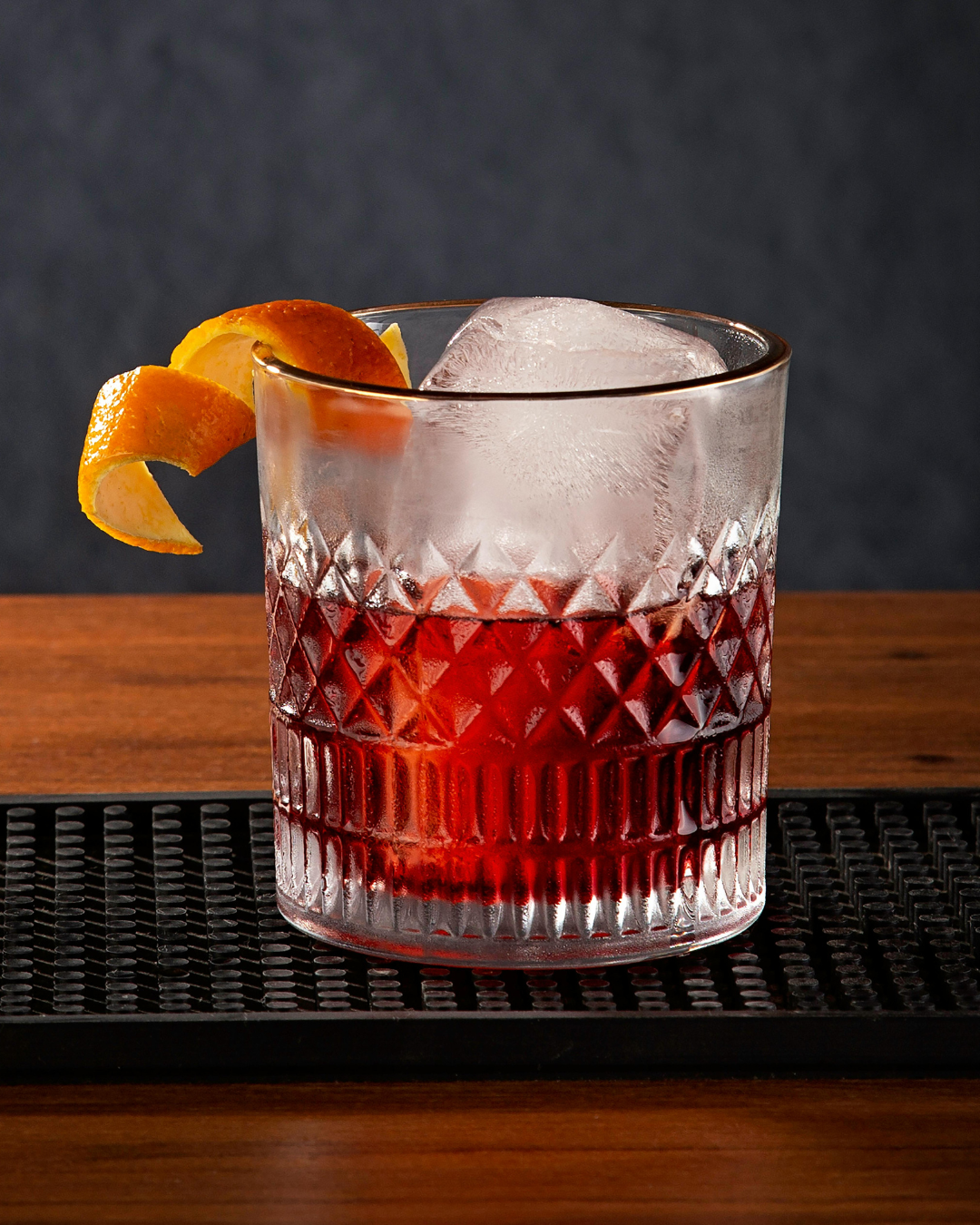
La Hora del Vermut
During this period Italian merchants setting in the city brough Vermut (Vermouth), giving rise to the beloved tradition of La Hora del Vermut: a midday glass with ice and a slice of orange or an olive.
Take a trip to Barcelona and you'll find hundreds of bars serving a very Spanish version of the drink. Whilst still containing the essential ingredient of wormwood, the Spanish version tends to be sweet rather than astringent and can be found on our wine list in both white and red versions.
After Franco and the return of democracy, Barcelona re-emerged as one of Europe’s great creative cities. The 1992 Olympics put it back on the world stage and a new generation of chefs, inspired by the molecular gastronomy of pioneers like Ferran Adrià, helped redefine modern gastronomy and made it a paradise for food lovers of all ages.
Today, Barcelona is a city where history doesn’t sit in museums. It’s in every tapa, every glass and every market stall. And… we can’t wait for you to discover it.
Fancy heading to Barcelona?
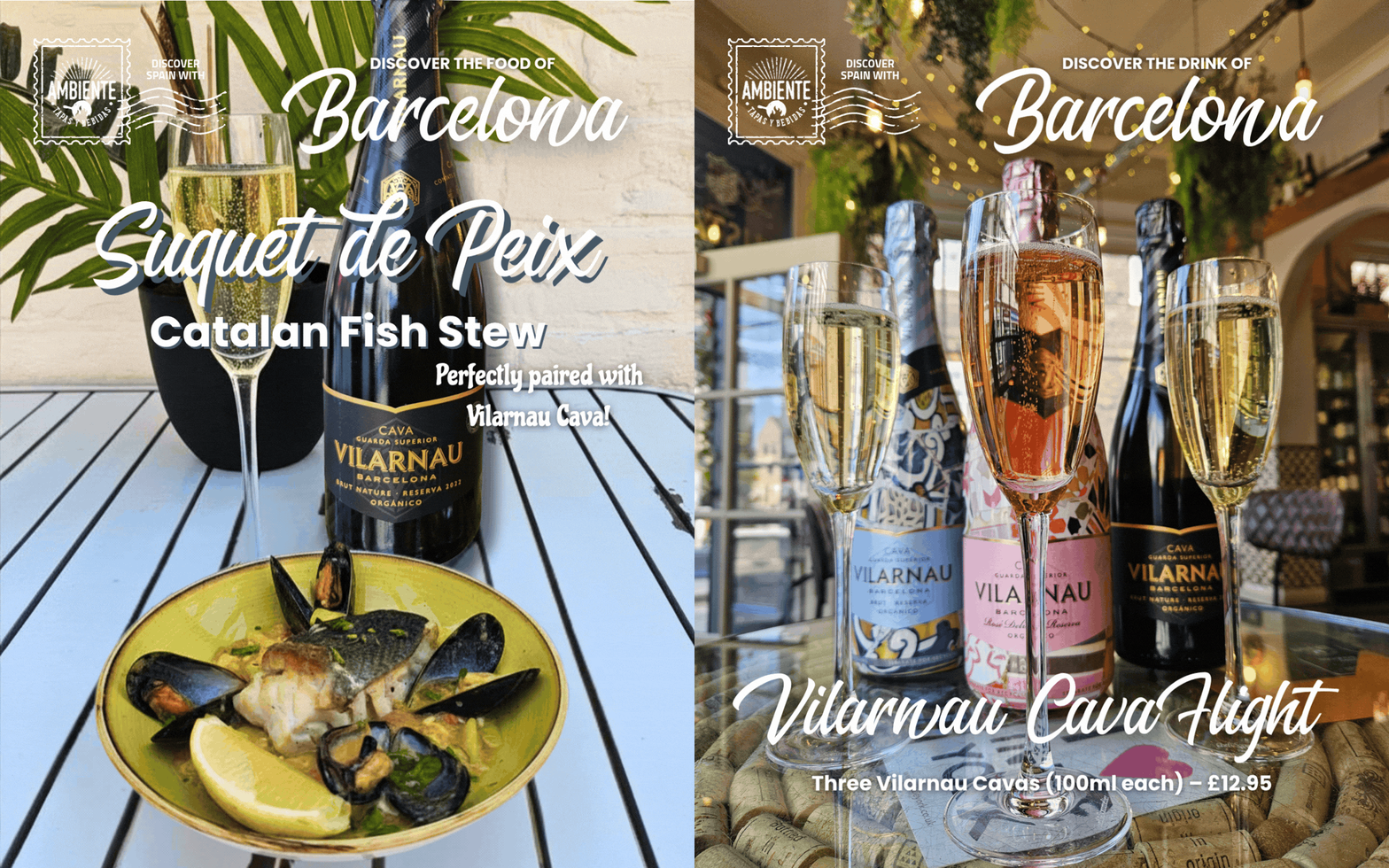
May 2026 Specials at Ambiente
For a true taste of Barcelona, join us throughout May for our Barcelona Specials.
Suquet de Peix
A Catalan Fish Stew with mussels, tomato & potato, thickened with Picada
Find the Recipe for this here
Vilarnau Cava Flight
Three Vilarnau Cavas (100ml each) in one flight so you can discover the different styles of each cava
Book your table today and experience a taste of Barcelona.