
How a Tiny Insect Helped Build Modern Rioja

It is one of wine history’s great ironies: Rioja owes a surprising amount of its modern identity to a tiny vine pest that nearly destroyed it.
Phylloxera is an insect that attacks the roots of grapevines. During the second half of the nineteenth century, it tore through vineyards across Europe, with France hit especially hard. Bordeaux suddenly had a serious problem: plenty of merchants, barrels and thirsty customers, but far fewer healthy grapes.
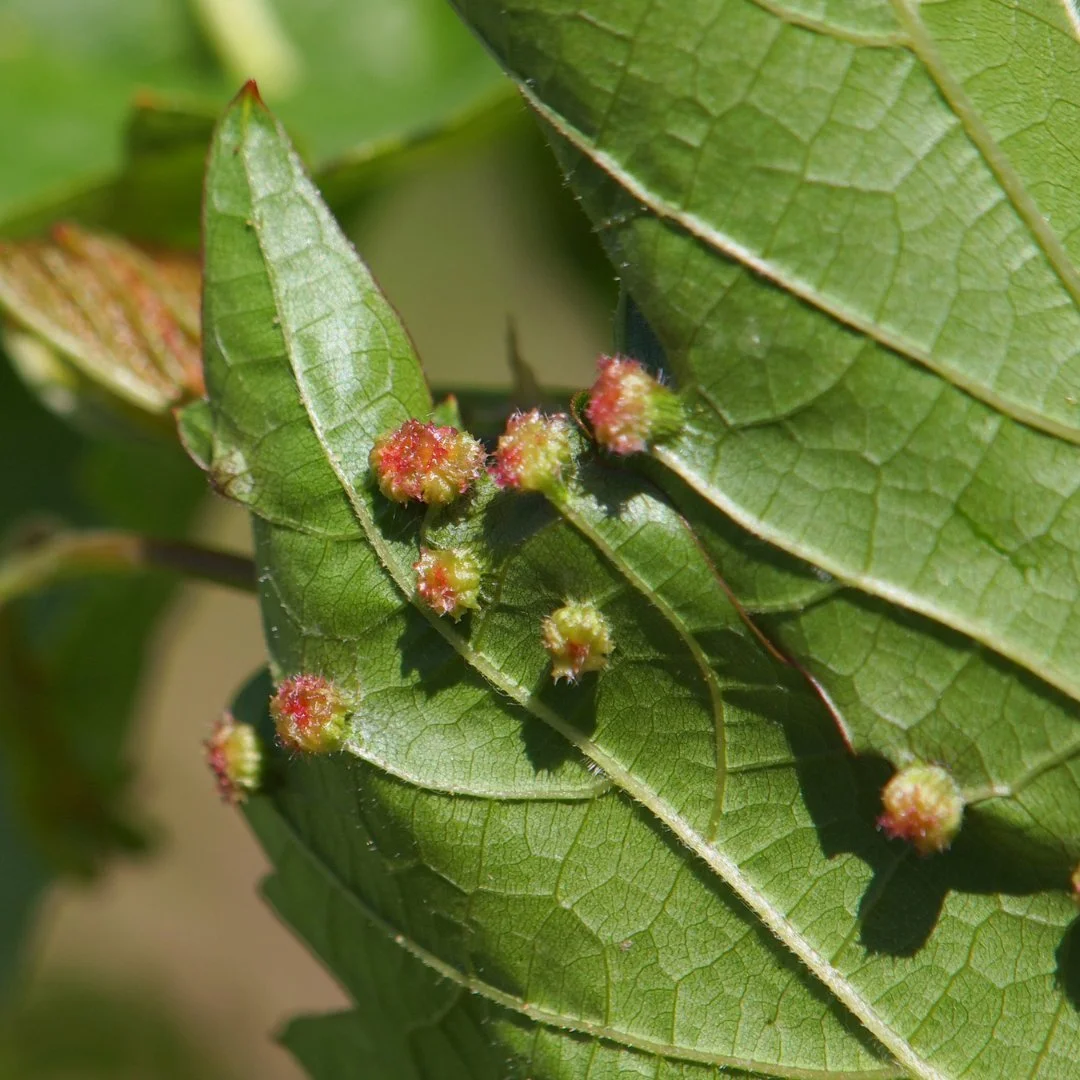
Phylloxera infected grapevine
Rioja, sitting just across the Pyrenees and still largely untouched, began to look very attractive indeed.
French merchants and winemakers headed south, particularly towards Haro, buying wine and establishing export operations near the railway. That railway mattered enormously. It allowed Rioja to move large quantities of wine towards France much more easily, and Haro’s station district developed into a bustling cluster of bodegas.
Today, the Barrio de la Estación remains one of the region’s great wine landmarks.
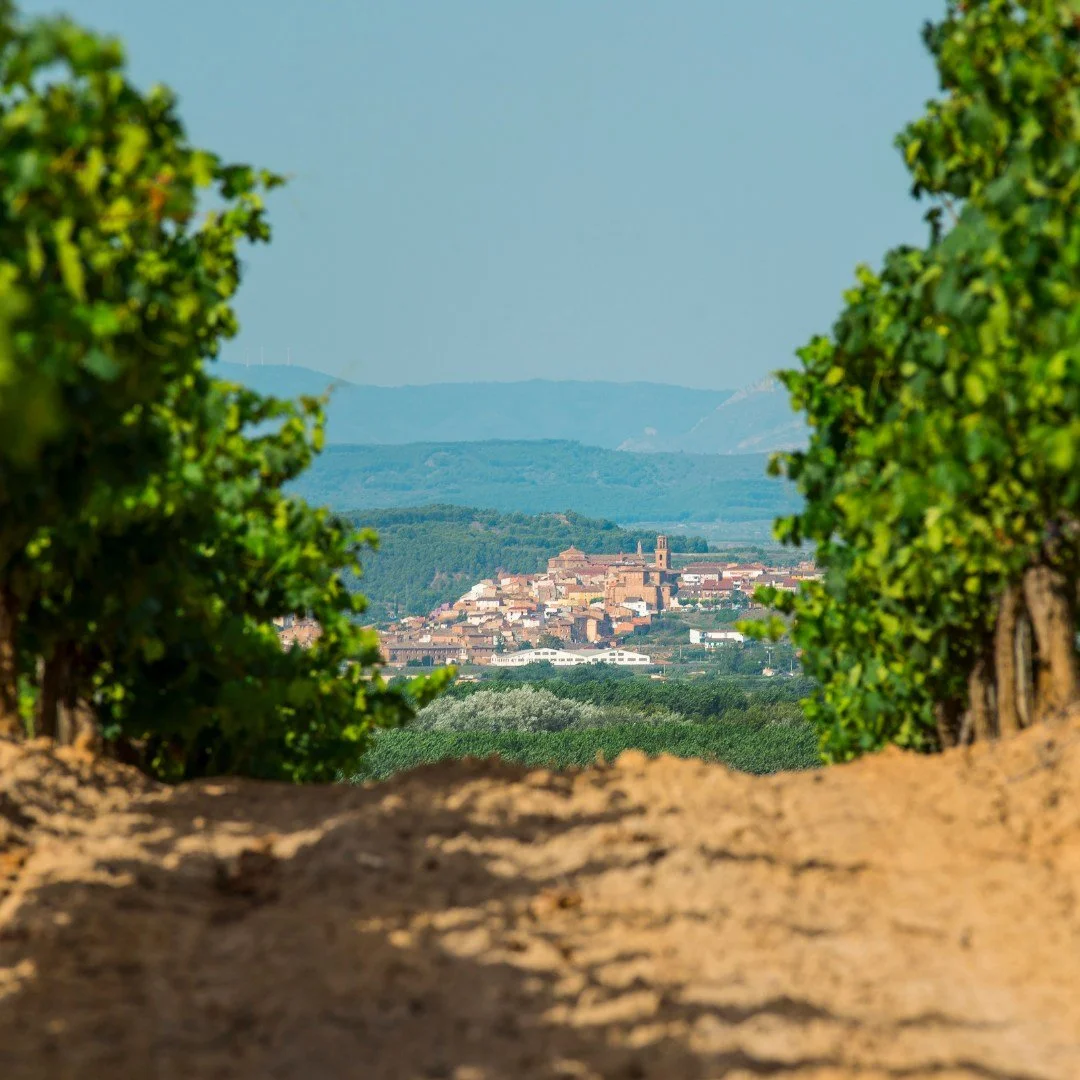
La Rioja, Spain
The French did not invent good wine in Rioja. People had been growing grapes there for centuries. However, French demand, investment and technical knowledge helped accelerate the region’s transformation.
Bordeaux-influenced methods had already begun to appear in Rioja through pioneers such as Luciano de Murrieta and Camilo Hurtado de Amézaga, the Marqués de Riscal. They experimented with more controlled cellar techniques and ageing wine in small oak barrels.
The arrival of additional French merchants and winemakers, combined with France’s desperate shortage of wine, helped expand these ideas and gave Rioja access to a much larger market.
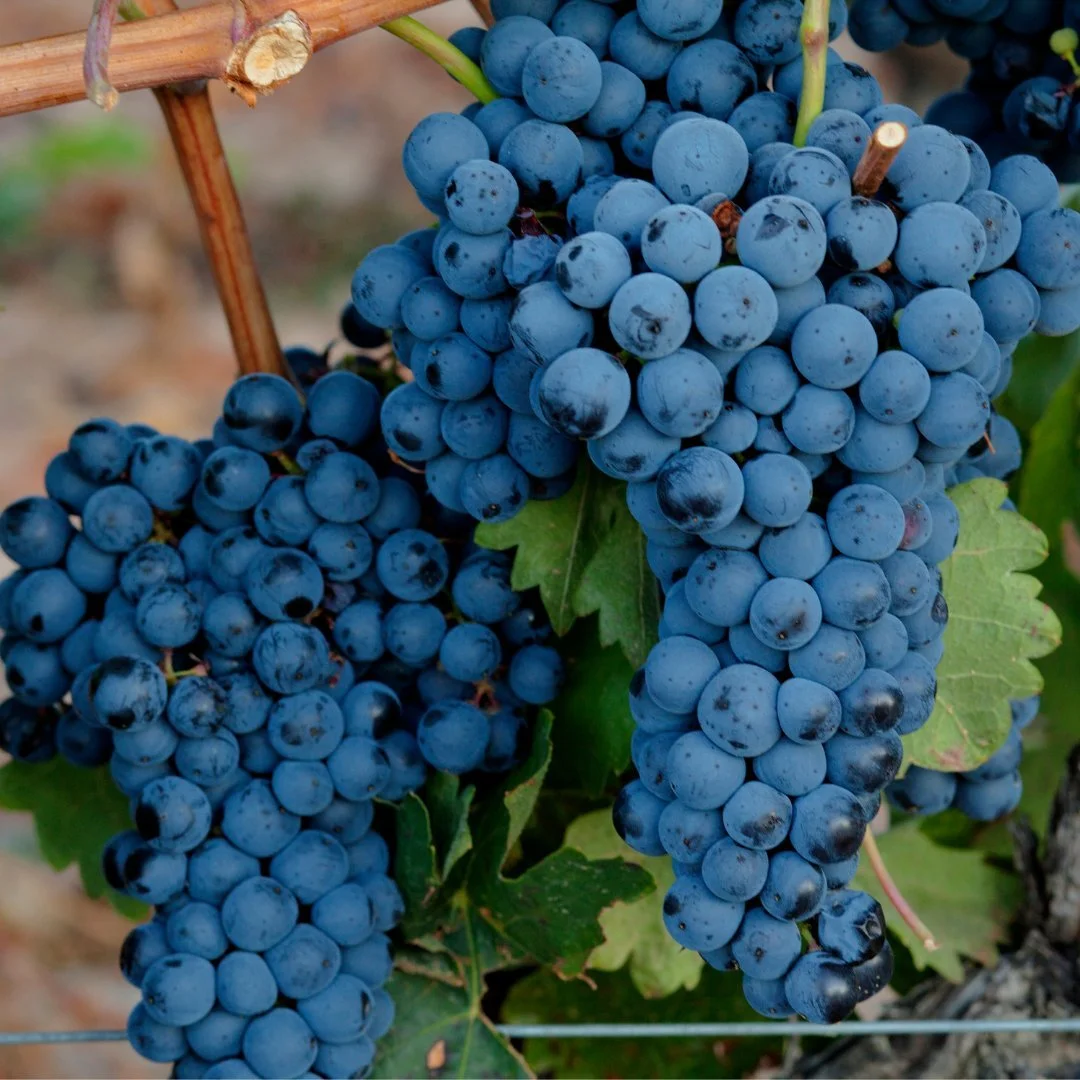
Tempranillo Grapes
The timing was cruel for France, but commercially transformative for Rioja.
This was when the Rioja we recognise today really began to take shape: increasingly Tempranillo-led wines, softened and developed through time in oak, large ageing cellars, dependable house styles and bodegas thinking beyond the next harvest.
Wine was becoming more than a local agricultural product. It was something that could be matured, branded and sold internationally. In other words, Rioja started behaving like a major wine region.
Then came the nasty twist.
Phylloxera eventually caught up with Rioja and was officially detected in the region in 1899. The damage was brutal. Vineyards had to be replanted using European grape varieties grafted onto resistant American rootstocks—the same solution that had helped France recover.
Growers lost vines, livelihoods suffered and the crisis contributed to a major wave of emigration from the region.
Yet Rioja emerged from the disaster with something it had not possessed to the same degree before: a recognised name, modern wineries, technical knowledge, export routes and a strong argument for protecting its identity.
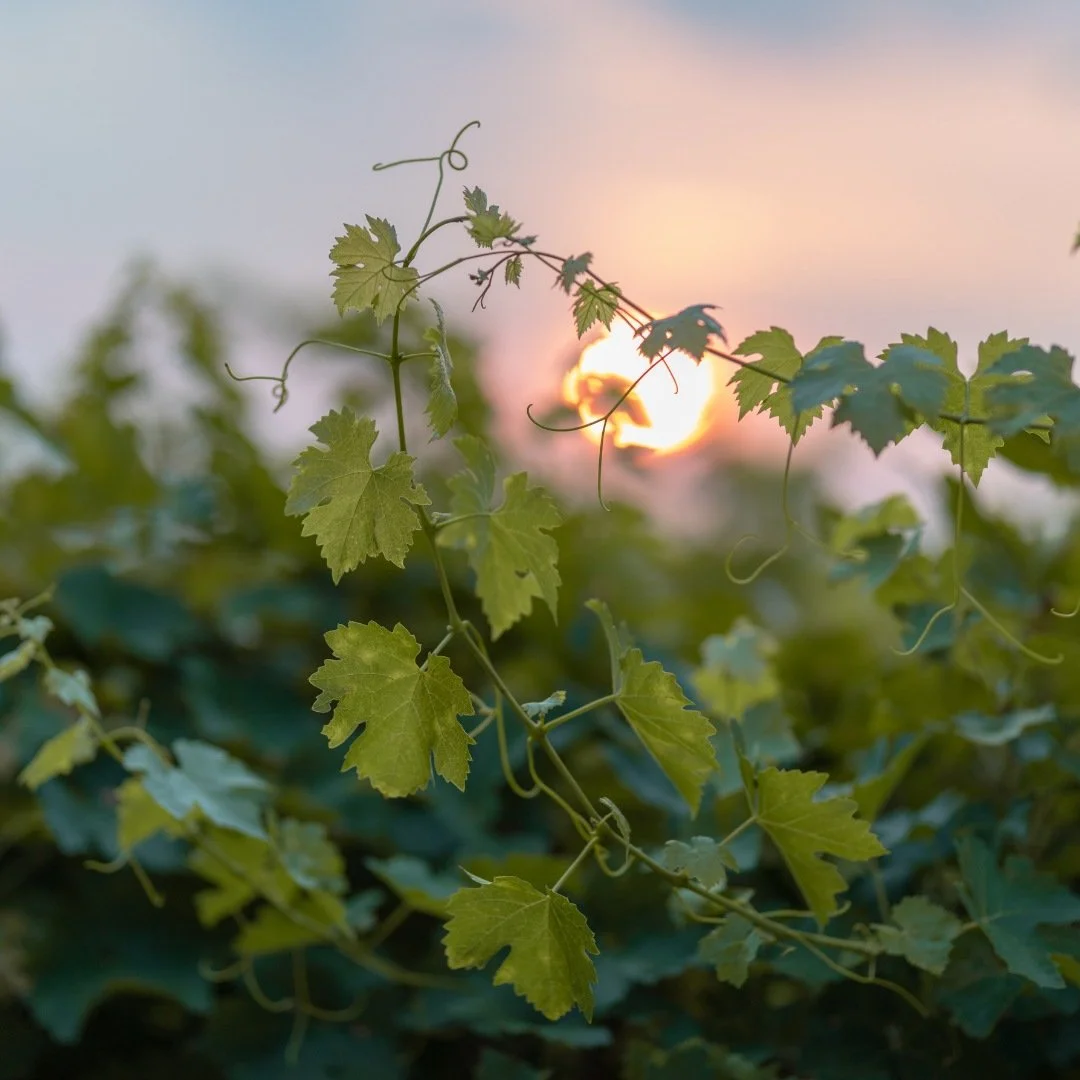
The difficult rebuilding years strengthened the focus on quality, authenticity and origin, helping build the case for protecting the Rioja name through the Denomination of Origin approved in 1925.
So, did phylloxera create Rioja? Not quite. That would ignore centuries of local farming, knowledge and tradition.
However, it created the strange circumstances that pushed Rioja onto the international stage. France’s crisis brought customers, expertise and capital. Rioja’s own crisis forced rebuilding and modernisation.
The next time you open a bottle of Reserva, spare a thought for the tiny vine pest lurking in its family history.
Rioja survived phylloxera and, in a roundabout way, became famous because of it.
Rob
Discover La Rioja in our Restaurants

Our La Rioja Special
If you fancy trying a taste of La Rioja, without those little vine pests, then you can checkout our Riojan special:
🫑Pimientos del Piquillo Rellenos
Sweet, smoky roasted piquillo peppers, stuffed and served with a creamy tarragon béchamel.
Throughout the month, our restaurants will be serving our Rioja Wine Menu featuring a selection of wines that you wouldn't normally find available by the glass – plus two Rioja wine flights so you can taste your way through the region.
Come and give them a try while they're on the menu. Available throughout September.

Discover Spain
Keep exploring Spain with us...
From recipes and regional drinks to local history, travel tips and hidden gems, our Discover Spain series celebrates the places that inspire our menus.
Browse all of our Discover Spain features here.